


Most advice on this problem was written somewhere cold. It assumes mild weather, dry air and a body that is not sweating by ten in the morning. In Ahmedabad in May, none of that holds.
Here is the short answer. Concentration decides most of it, your skin decides some of it, and where you spray decides the rest. Everything else is a rounding error.
Concentration is most of the answer
A fragrance is aromatic material dissolved in alcohol. The percentage of that material is what separates an eau de toilette from an eau de parfum from an extrait.
More material means more to evaporate, so it takes longer to disappear. That is the whole mechanism. There is no trick that closes the gap between a weak concentration and a strong one.
If a fragrance is gone in two hours and you have done everything else right, the fragrance is the problem, not your skin. This is the single most common reason people think they have difficult skin when they do not.
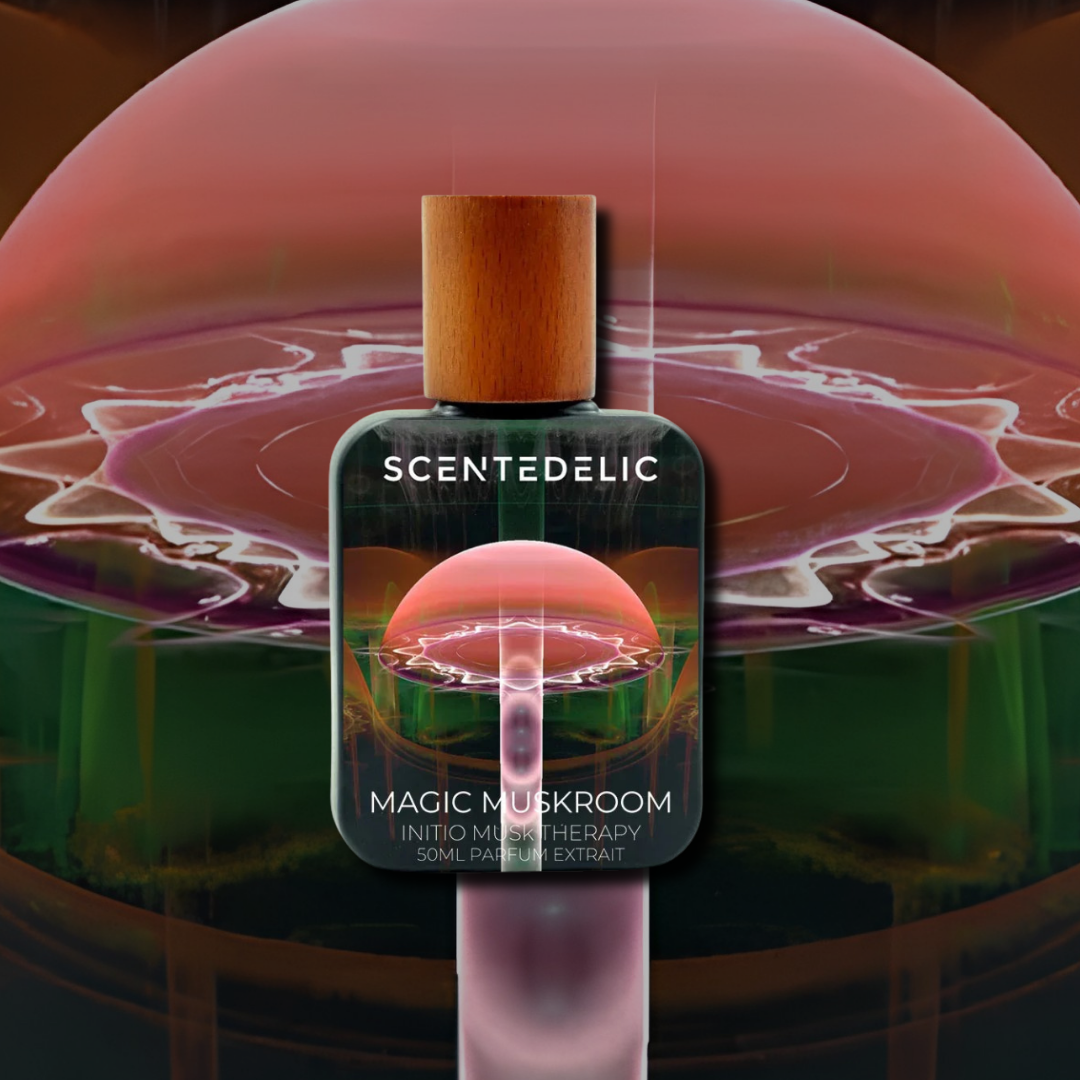
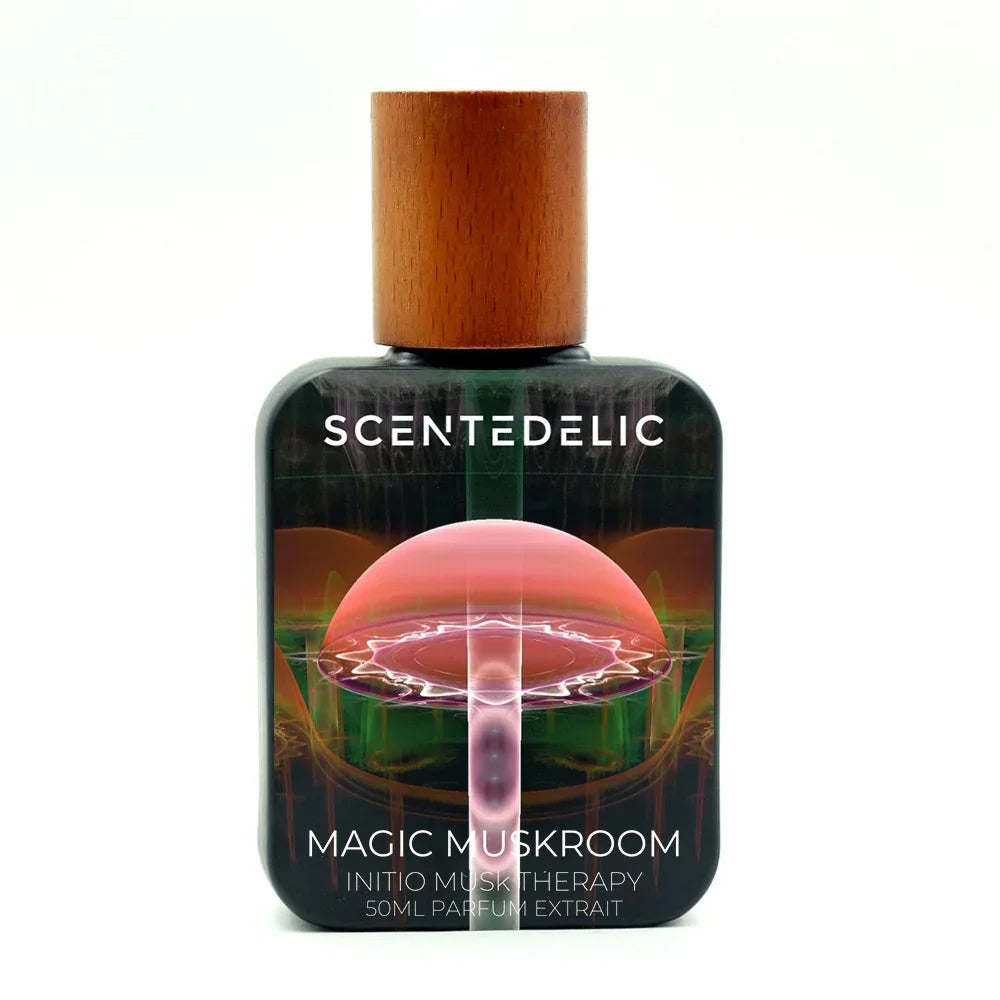
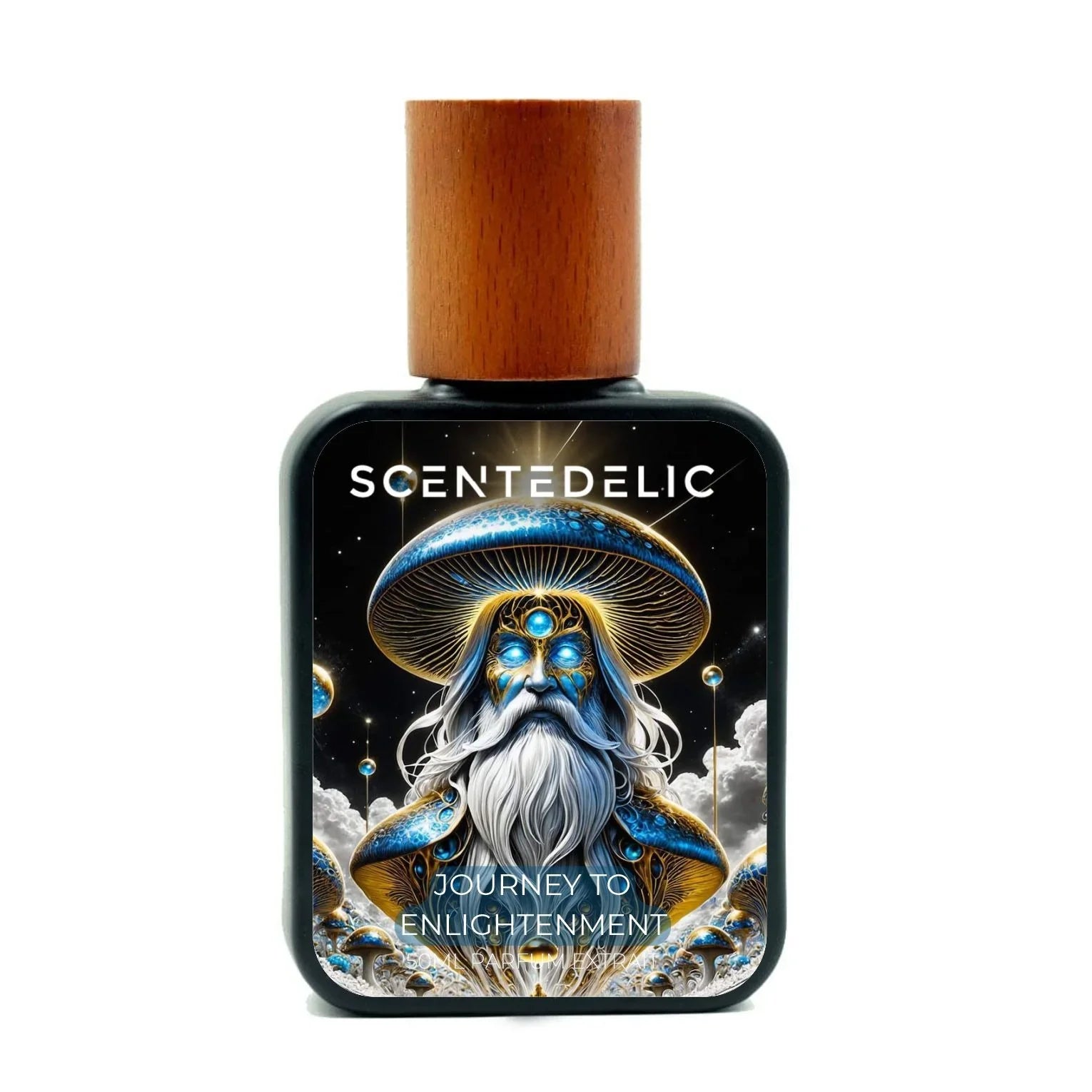
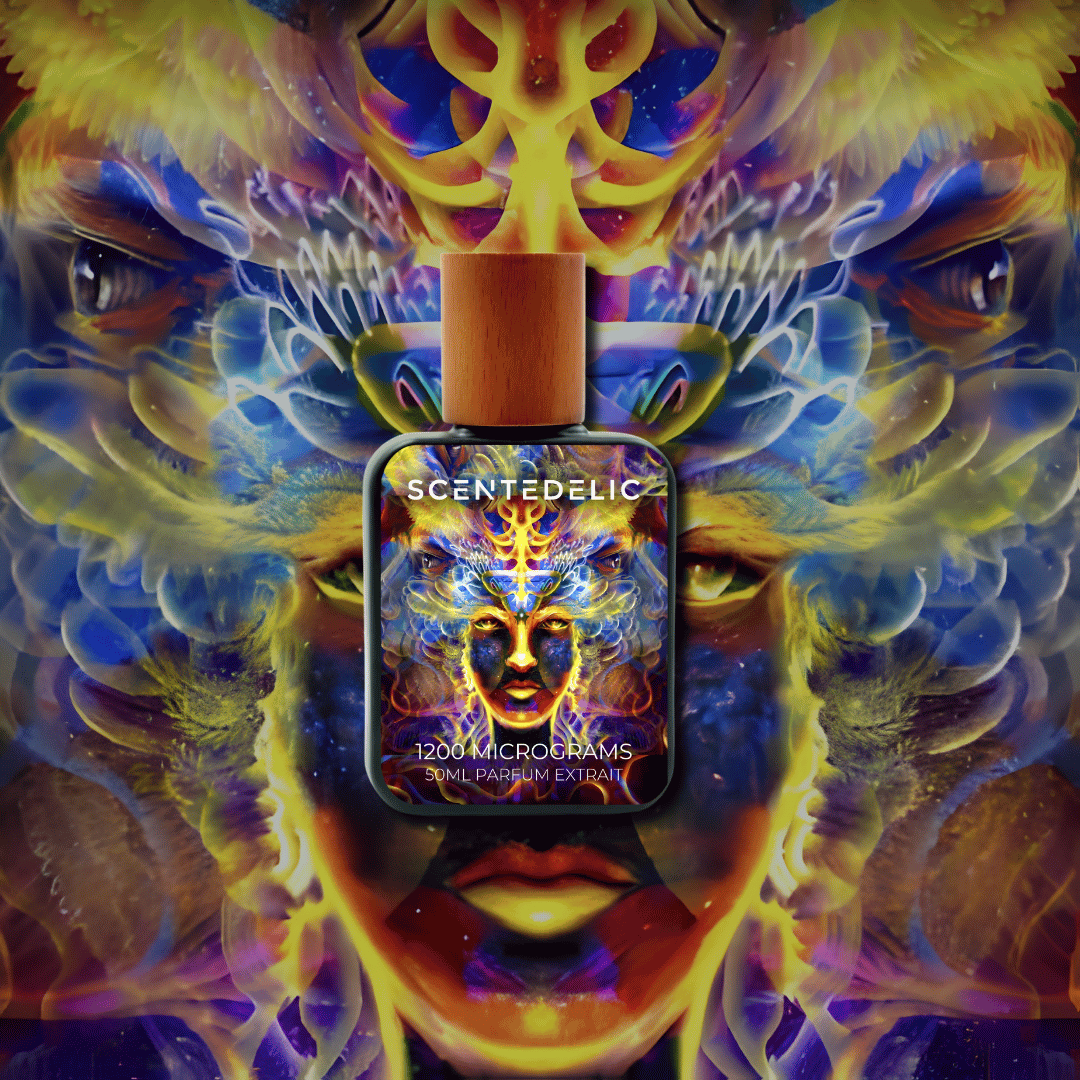
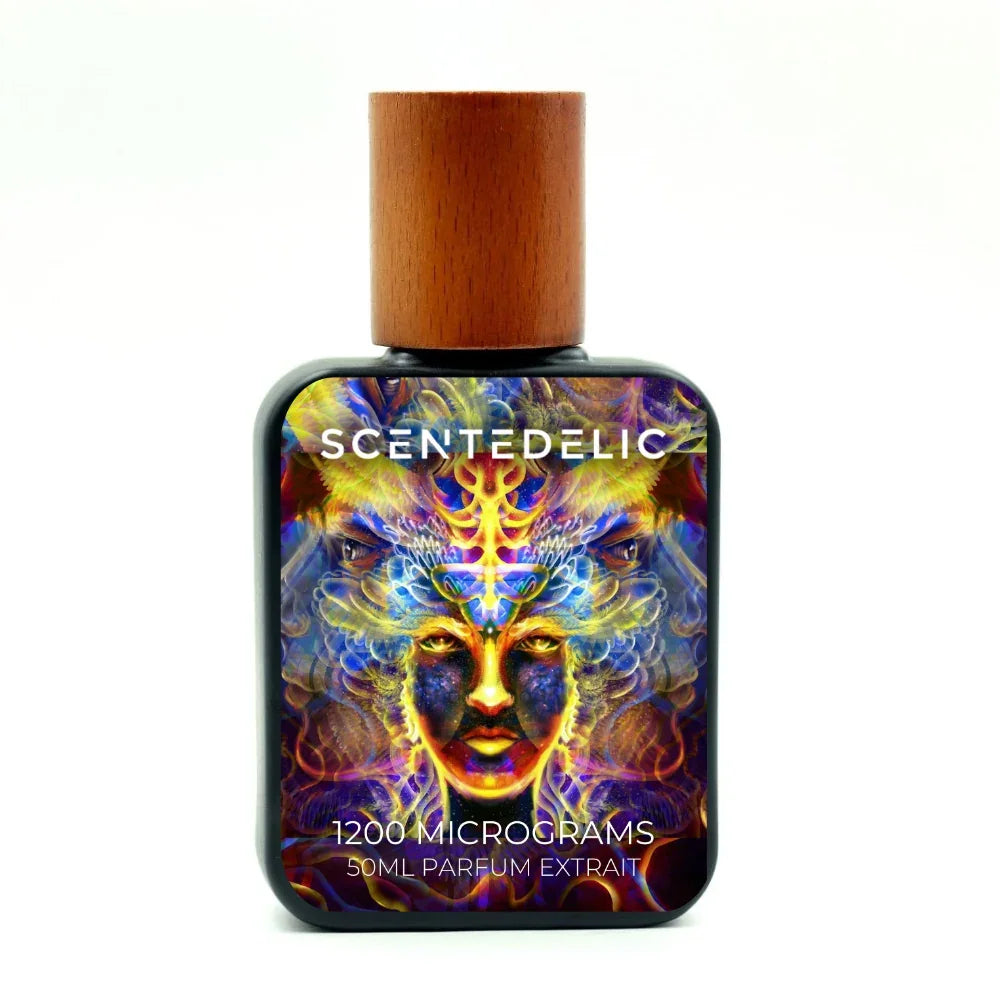
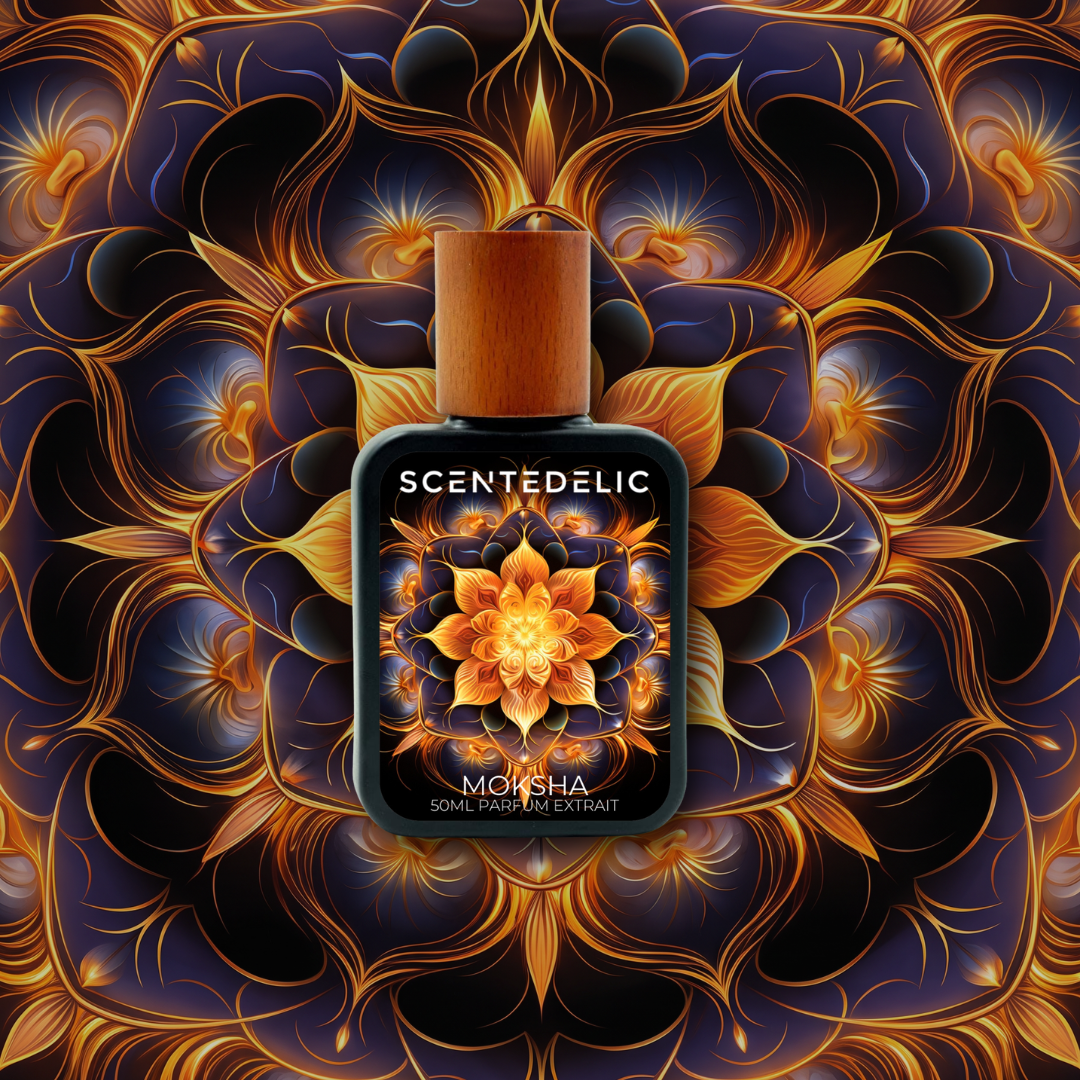
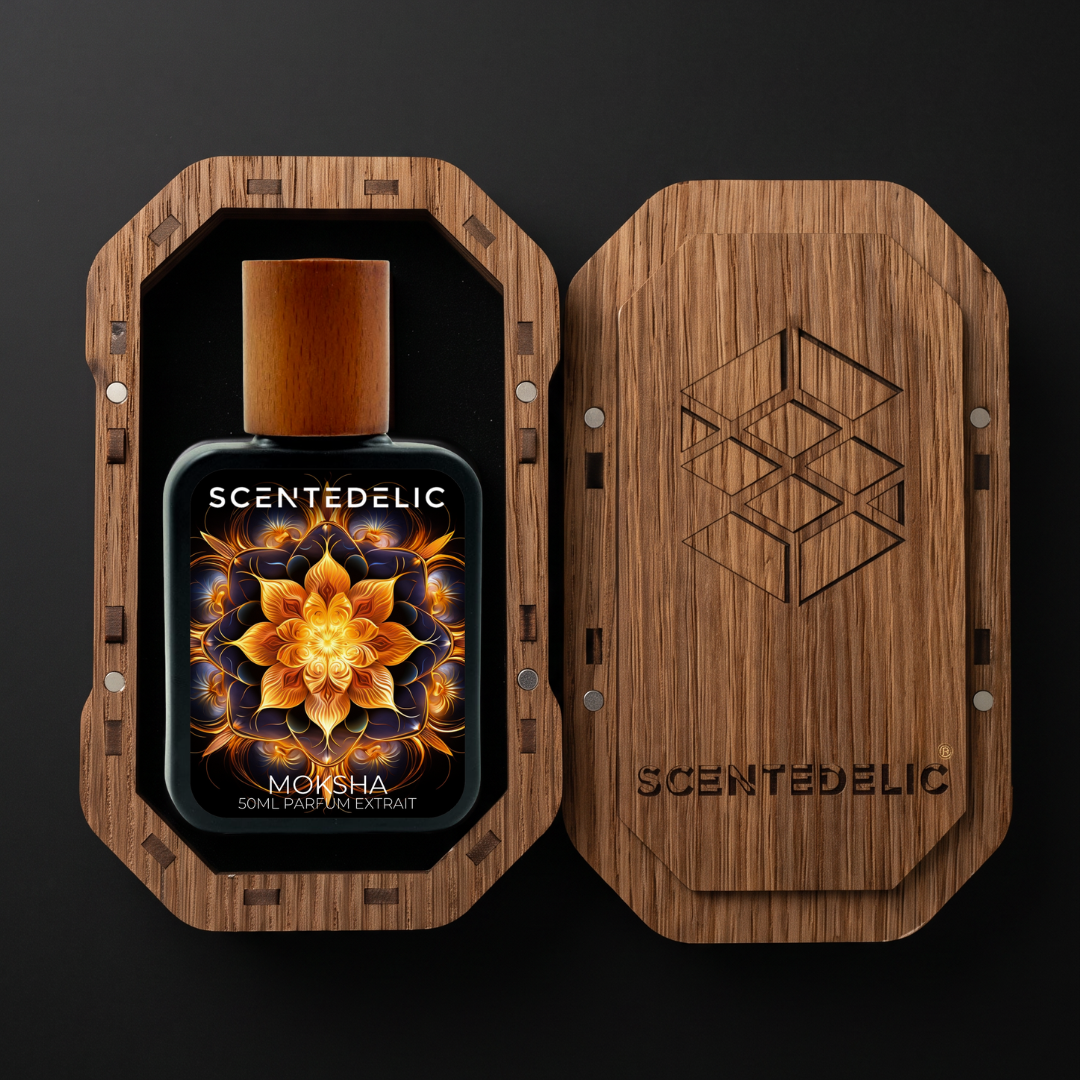
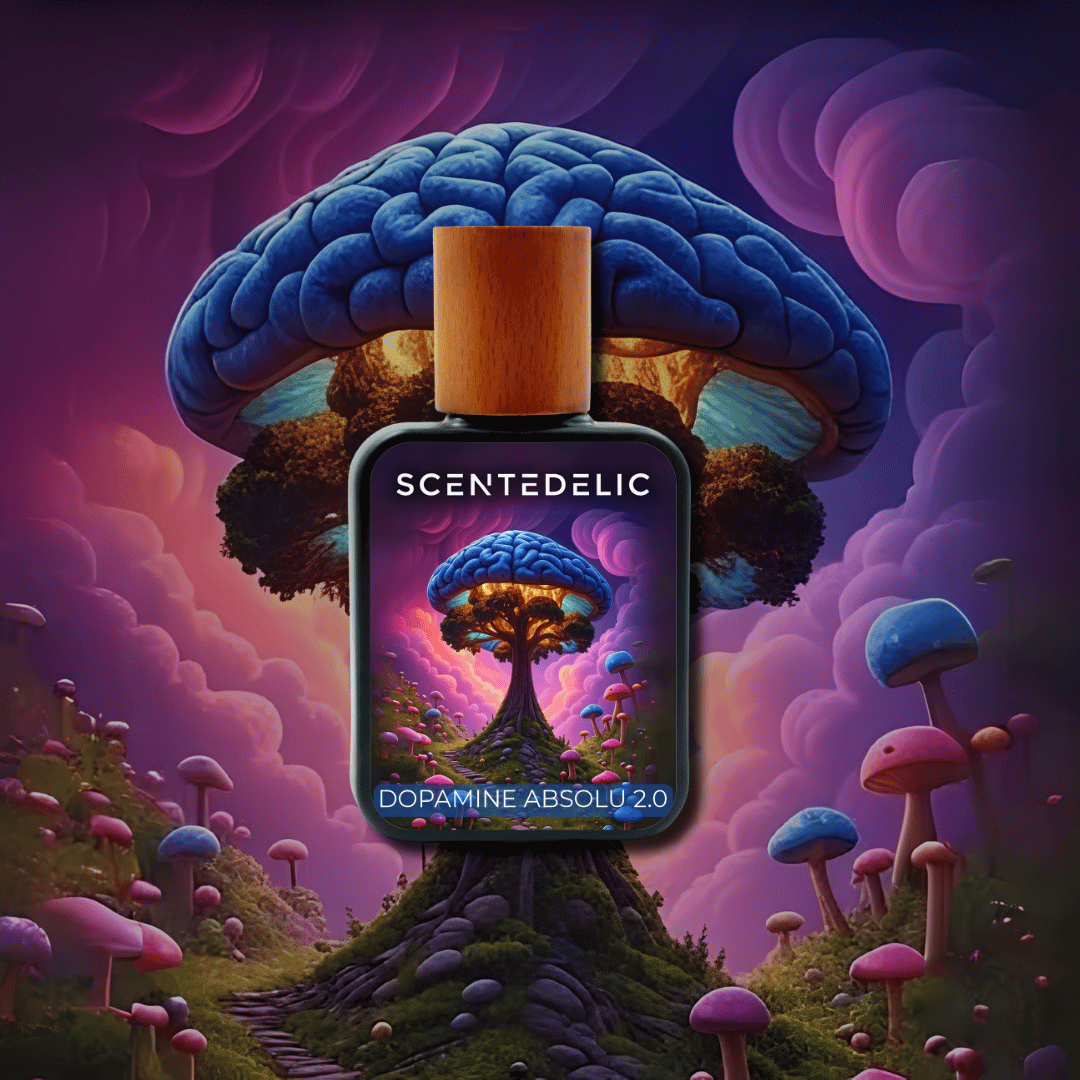
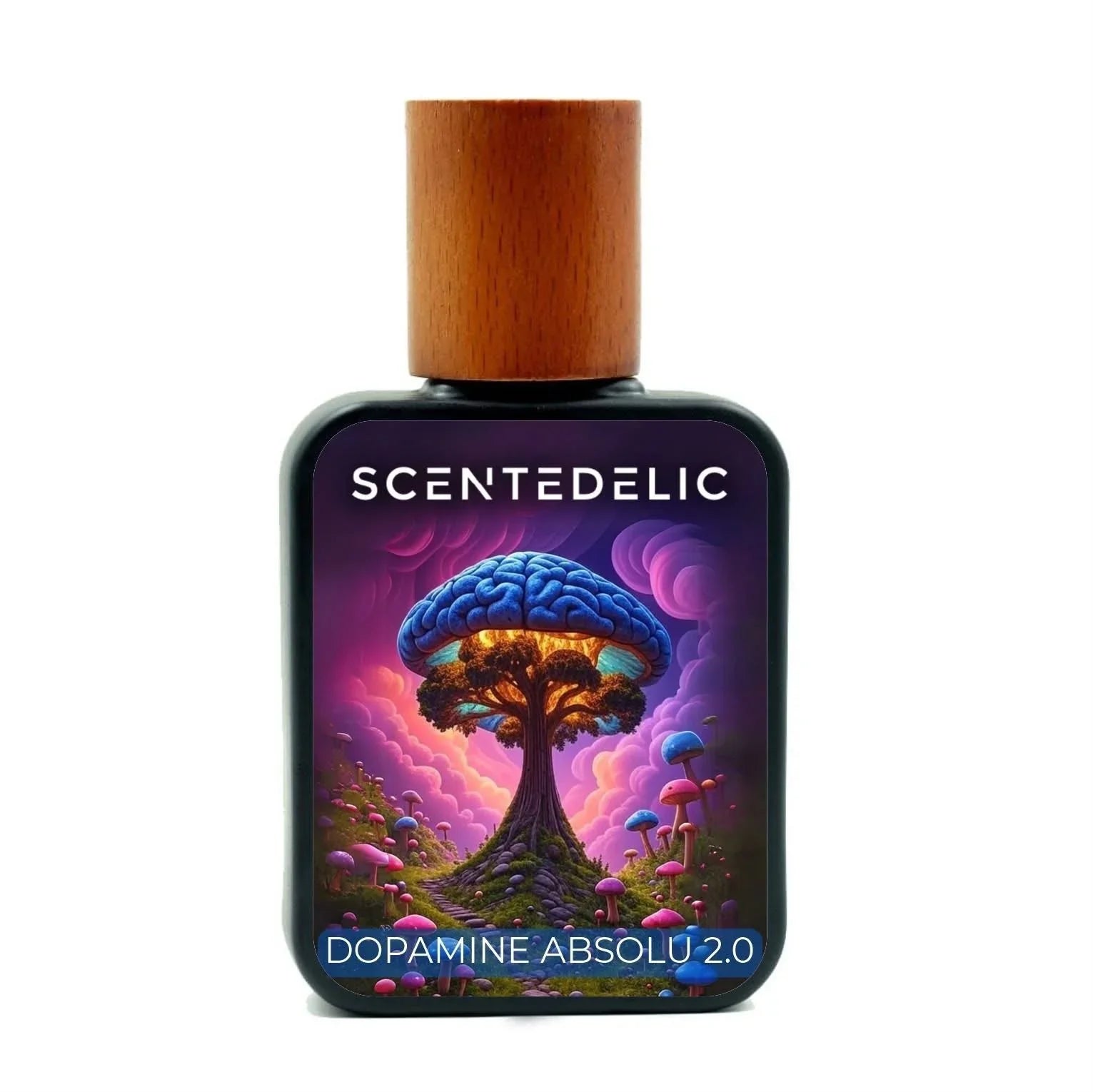
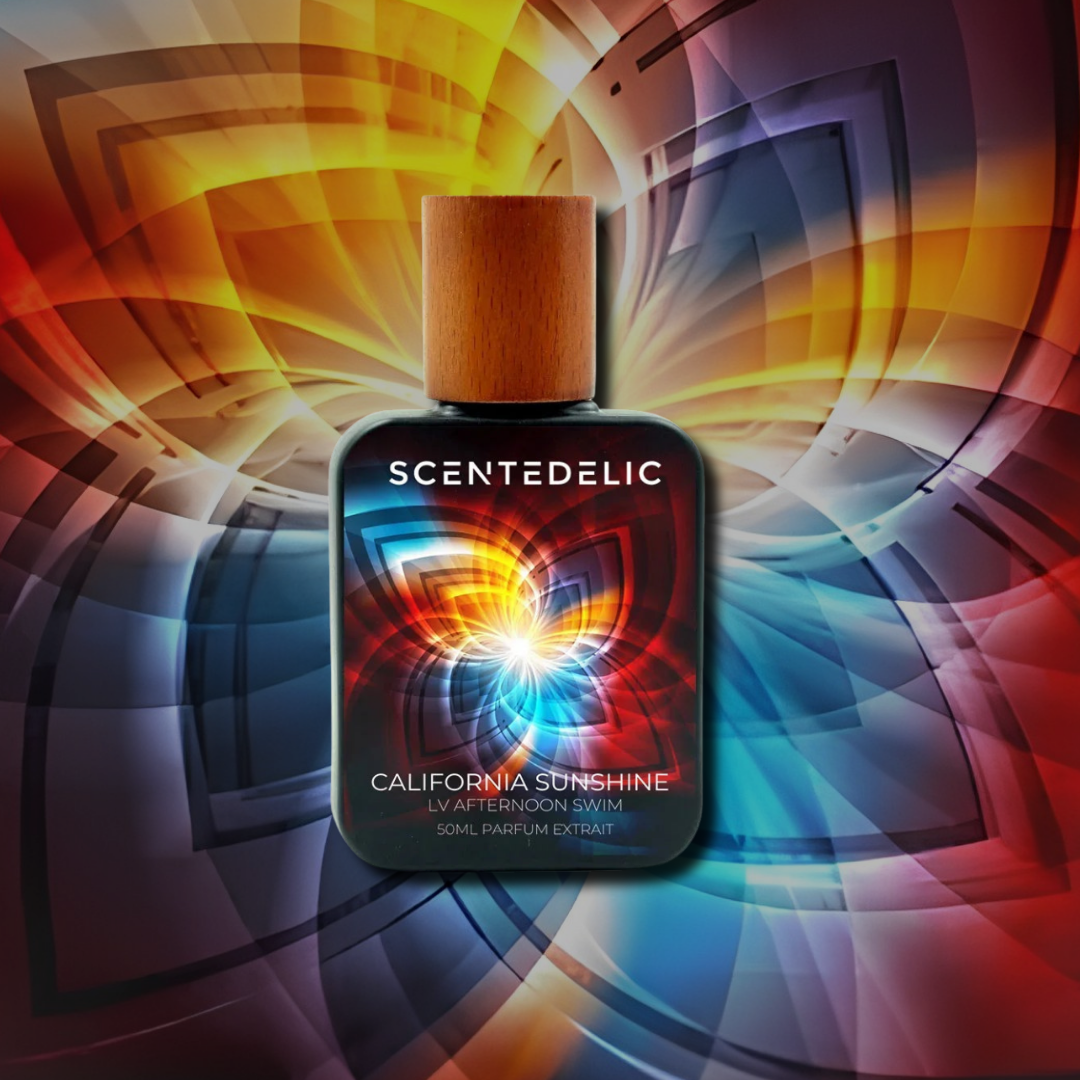
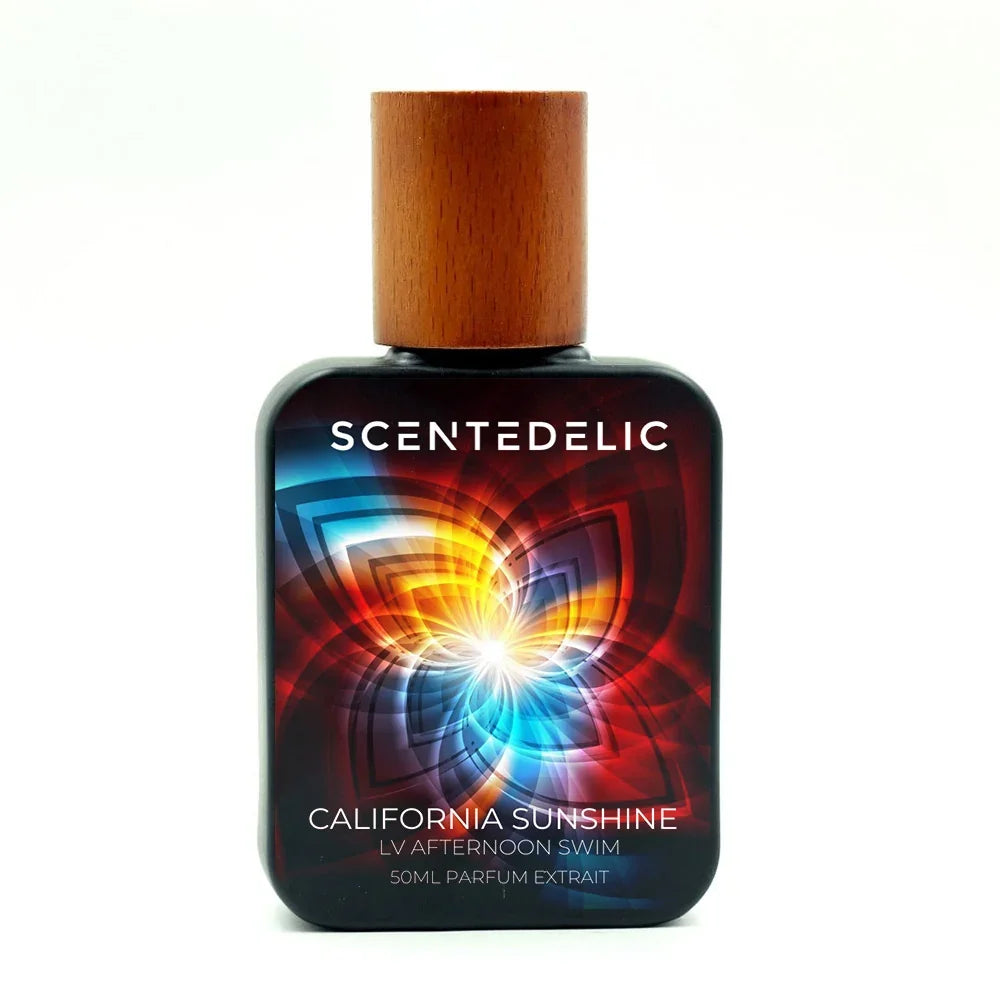
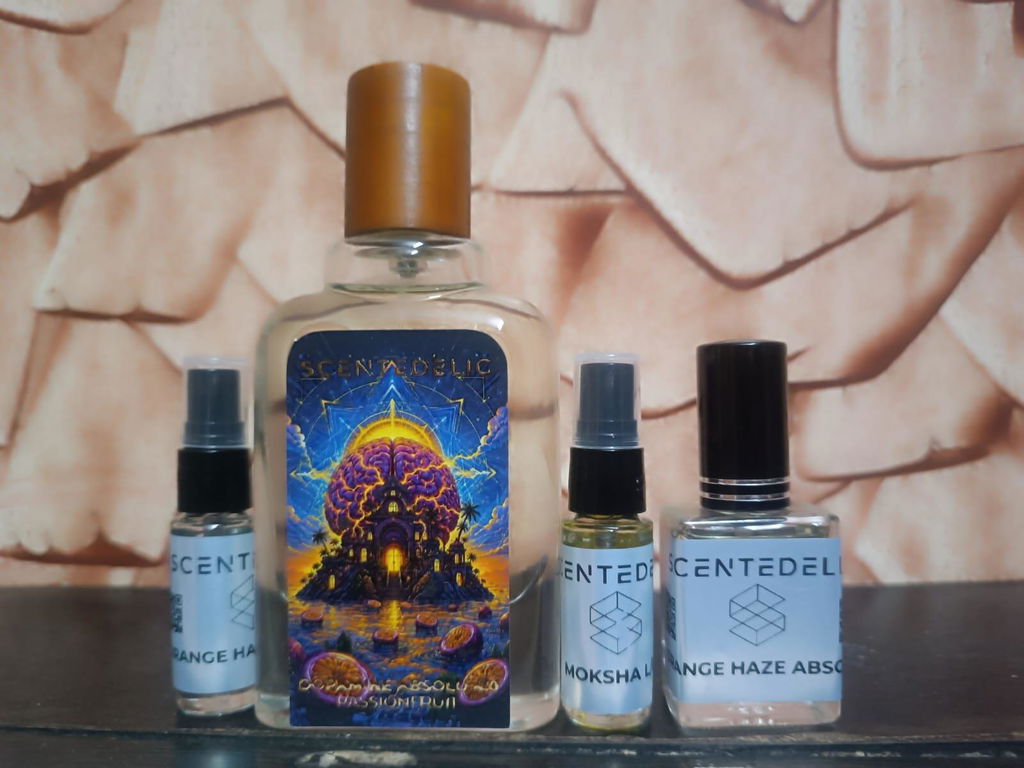
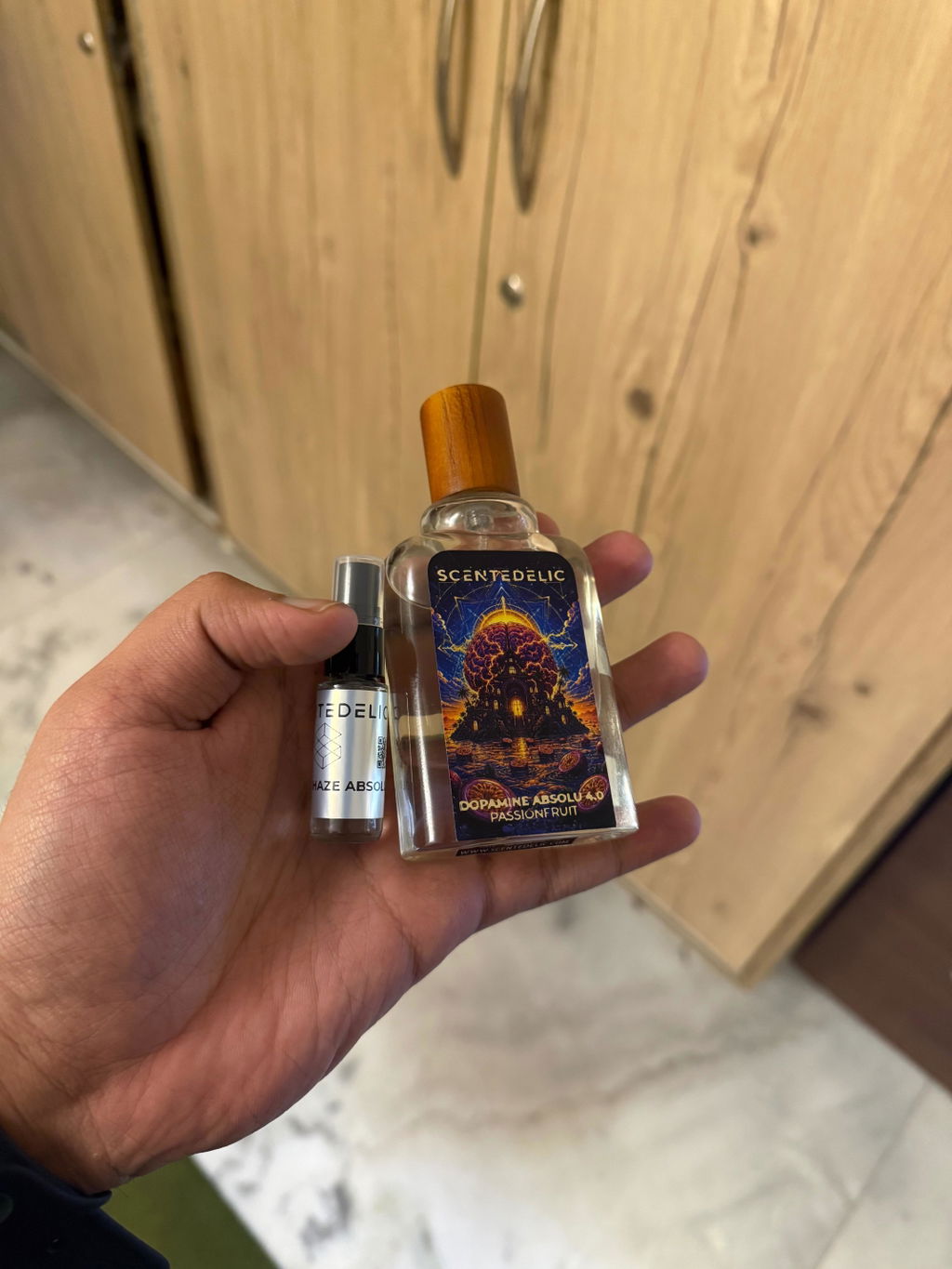
Scentedelic's Exceptional Extrait series is made at extrait strength, the highest concentration class. That is a choice about how long it stays on you, not a label.
Heat is doing something specific to your fragrance
Warmth speeds evaporation. That is why scent blooms when you walk out into the afternoon and then seems to vanish an hour later. It did not vanish. It burned through the top notes faster than it would at twenty degrees.
This matters most for citrus, aldehydes and anything green, which are volatile to begin with. Grapefruit, bergamot and lemon are the first things to go in any weather, and in forty degrees they go in minutes rather than in the first hour.
The base is what survives. Sandalwood, amber, musk, vanilla and resins evaporate slowly by nature, which is why fragrances built on a substantial base outlast bright ones in hot climates, regardless of how expensive the bright one was.
If you want something that lasts through an Indian working day, choose something with weight underneath it. That is a formulation question, and it is settled before you buy.
Your skin is either helping or it is not
Dry skin holds fragrance badly. There is nothing for the oils to bind to, so they evaporate off the surface. This is the real reason two people report completely different wear times from the same bottle.
Apply an unscented moisturiser to the areas you are about to spray, and let it absorb first. On genuinely dry skin, a thin layer of any occlusive works too. You are giving the fragrance something to sit in rather than sit on.
Spray onto skin that is clean and slightly warm, straight out of a shower rather than at the end of the day.
Do not rub your wrists together
This is the most common mistake and it is worth being blunt about.
Rubbing generates heat and friction at the exact moment the top notes are still evaporating. You crush them, you accelerate them, and you pull the base forward before its turn. The fragrance you smell afterwards is not the one that was built.
Spray, and leave it alone.
Spray fabric as well as skin
Fabric has no temperature of its own, no oils and no sweat. It holds aromatic material far longer than skin does, sometimes for days.
One spray into a shirt collar is worth two on the wrist in hot weather. The collar sits close to where the scent needs to be noticed, and it survives the afternoon that your skin will not.
Two cautions. Avoid silk and pale natural fabrics, where some materials can leave a mark. And spray from a distance rather than close up, so it lands as a mist rather than a spot.
Where you keep the bottle matters more than people think
Fragrance degrades from three things: heat, light and oxygen.
A bathroom shelf gives it all three. Steam, temperature swings and a window are the worst possible storage, and citrus-heavy compositions turn first, sometimes within months.
Keep bottles in a cupboard, in the dark, at a stable temperature, in the box if you have kept it. A bottle stored badly for a year will not perform, no matter how you apply it.
Where to spray, in order of usefulness
Pulse points work because they are warm, and warmth lifts scent off the skin so people can smell it. That is projection, not longevity, and the two are different problems.
- Shirt collar. Fabric, close to the face, longest wear
- Base of the neck. Warm, and it moves with you
- Chest. Under a shirt it holds well and releases slowly through the day
- Inner elbows. Warm and rarely washed during the day
- Wrists. Warm, but hands get washed and doors get opened. Weakest of the five
What does not work
More sprays. Past four or five you are increasing intensity for the people around you without extending wear at all. Longevity comes from the base, not the volume.
Spraying into the air and walking through it. Most of it lands on the floor.
Storing it in the fridge. Cold slows degradation but the repeated temperature change every time you take it out does more harm than the cold does good. A dark cupboard is better.
The honest summary
Buy a higher concentration, moisturise first, spray your collar, do not rub, and keep the bottle out of the bathroom.
If you do all five and something still disappears by lunch, it was built to. That is not a failure of technique.
Scentedelic blends extrait in India, in a climate that punishes anything built lightly. .



Leave a comment
This site is protected by hCaptcha and the hCaptcha Privacy Policy and Terms of Service apply.